FILS D’IDENTITÉ
Fils d’identité is a durational participatory performance in which personal testimony becomes a form of political presence. Rooted in lived experience, the work addresses queer and trans visibility, displacement, memory and the erasure of voices from public space in Russia.
Participants enter the work individually through multilingual audio, ritual movement and direct encounter. A long braid becomes a physical thread between bodies, memories and generations.
Since its first presentation in Paris in 2025, Fils d’identité has continued to transform in response to different political, institutional and public contexts.
EVOLUTION OF THE WORK
PARIS
Fils d’identité was first presented publicly as a three-hour durational participatory performance, establishing its core structure of individual encounter, multilingual audio, ritual movement and the long braid as a shared physical thread.
VENICE
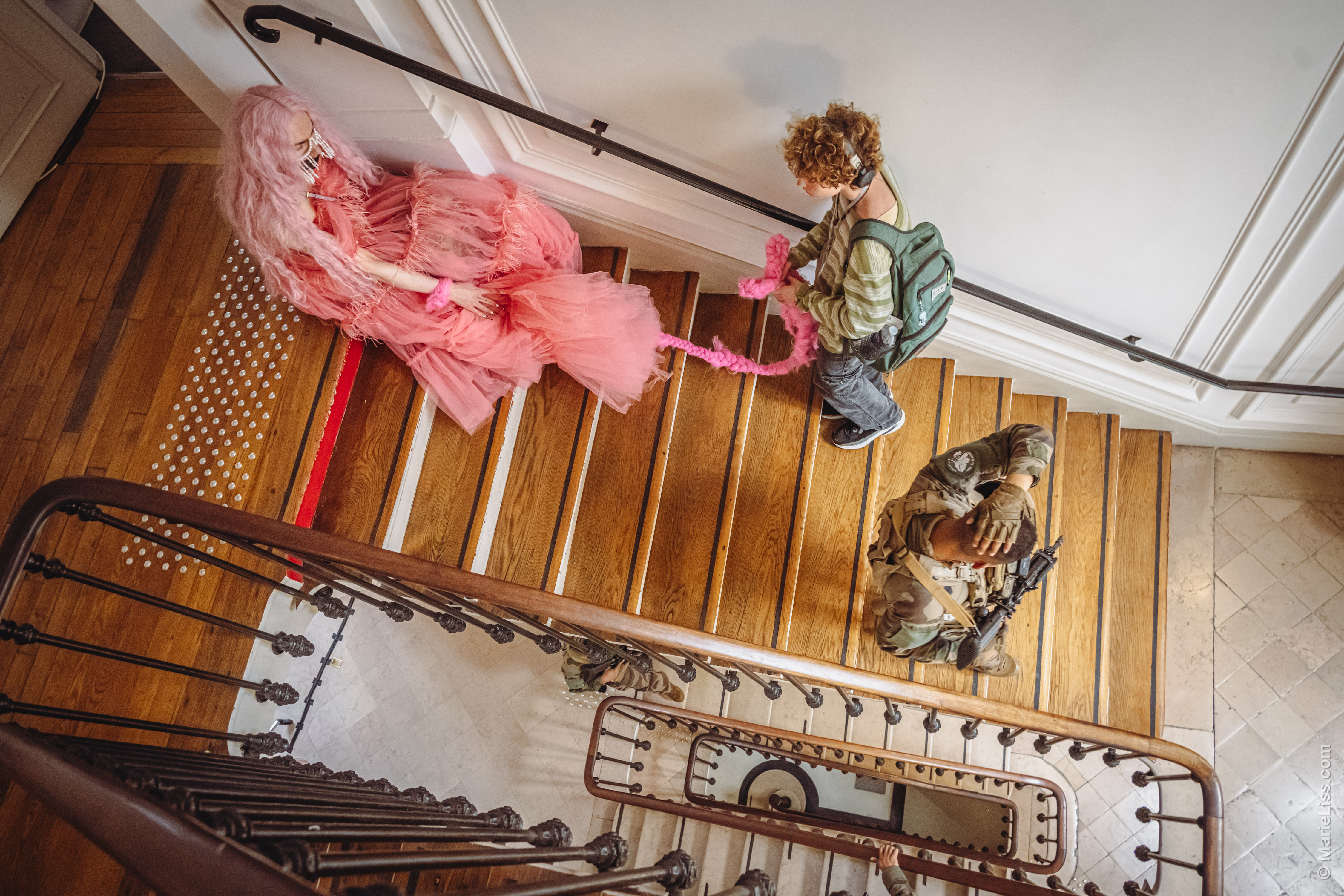
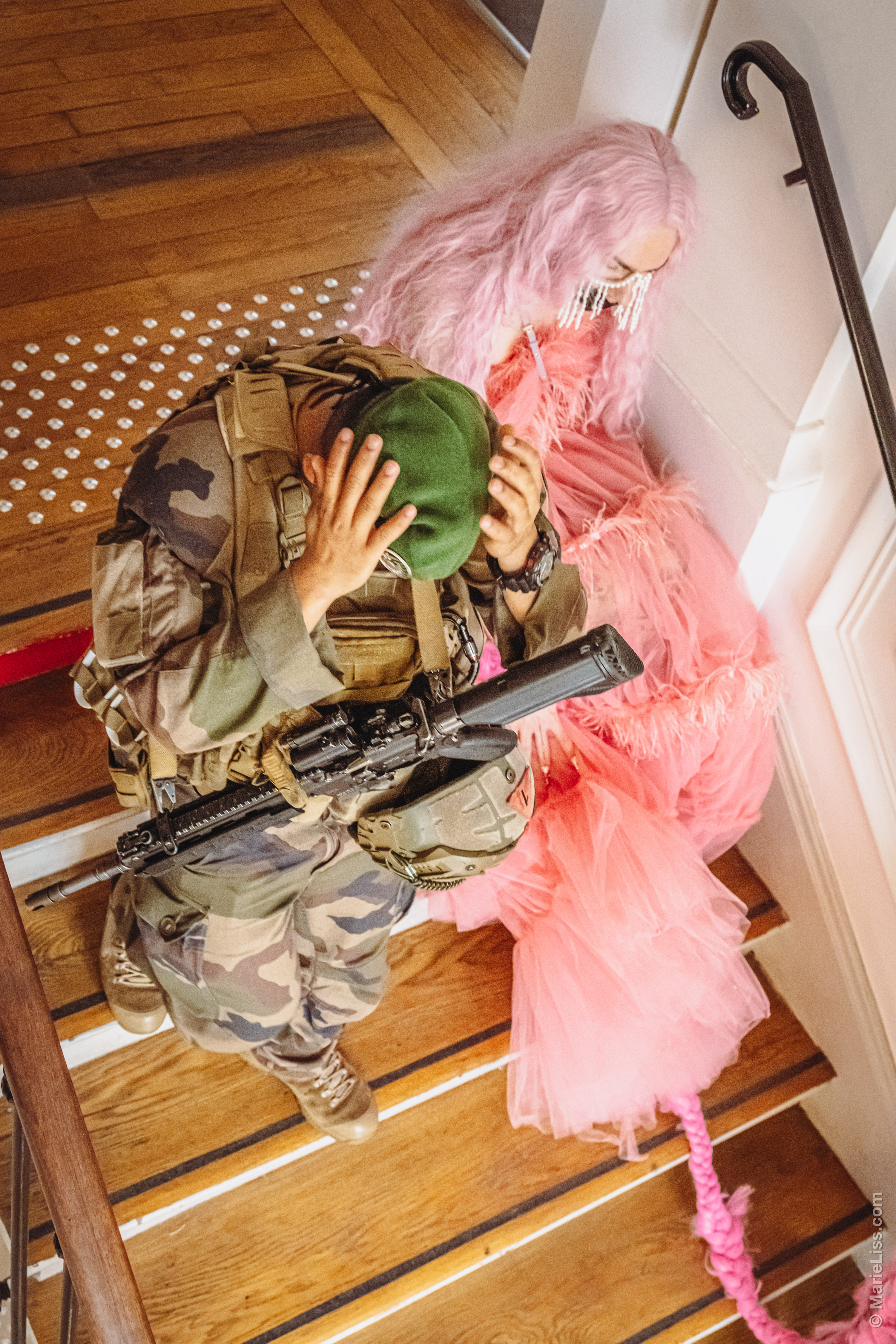
On the opening day of the 61st Venice Biennale, Fils d’identité was performed as a public intervention protesting Russia’s participation and the opening of the Russian Pavilion.
For Venice, the opening of the work was rewritten in a more explicitly manifesto-like form and a dedicated Italian audio version was created. The new manifesto opening subsequently became a permanent part of the performance.
GENEVA
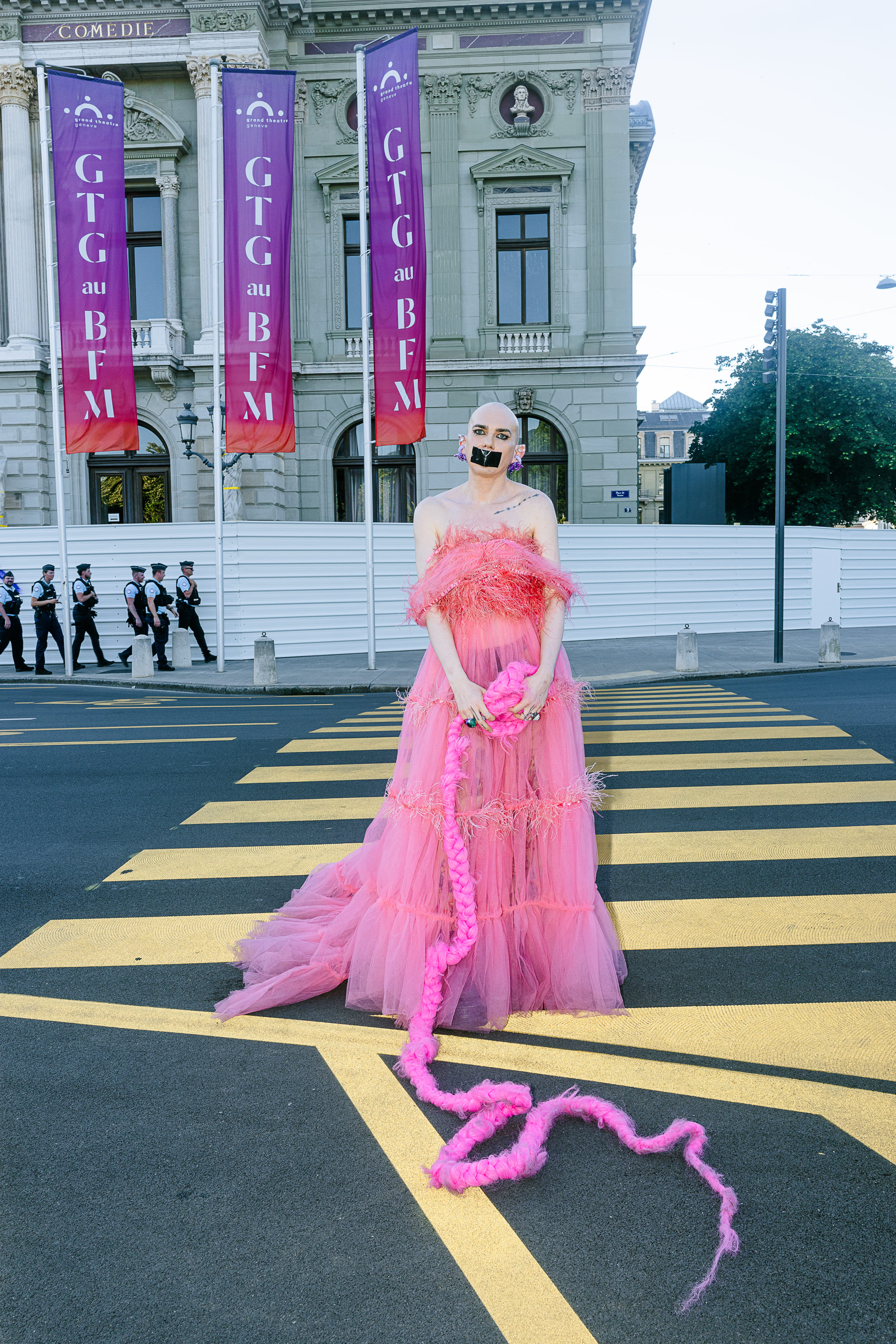
While a large protest unfolded elsewhere in the city, Fils d’identité adopted a different strategy of political presence: a solitary artistic action through Geneva’s barricaded centre.
The work used the body, ritual and visibility as tools of protest within a heavily controlled urban space.
ZÜRICH
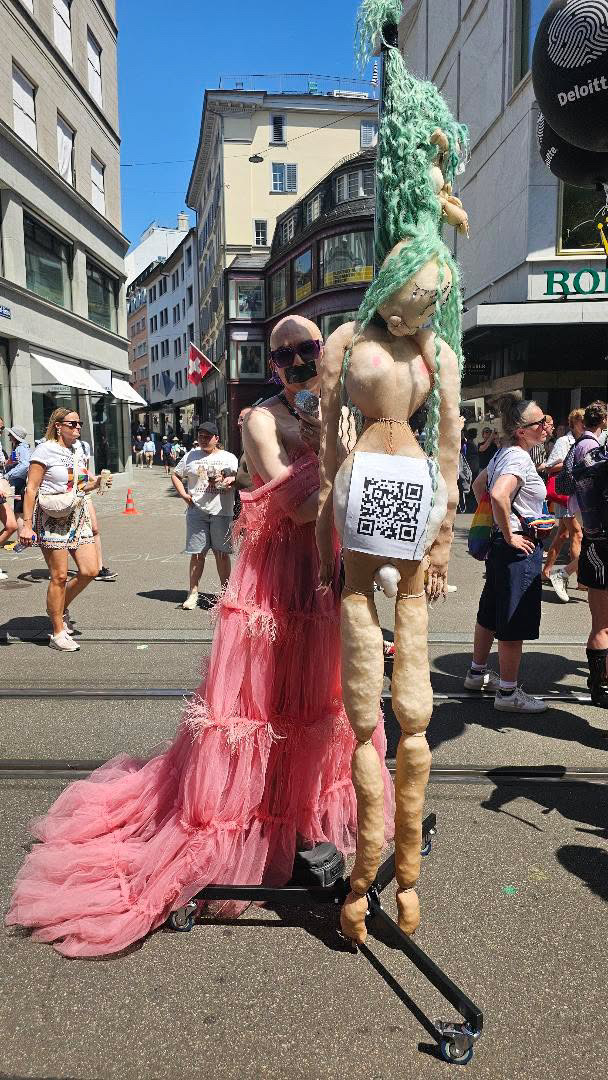
At Zürich Pride, the work developed into a mobile procession, adapting its ritual structure to movement through a large public gathering.
LAUSANNE
A concentrated five-minute stage version of Fils d’identité was developed for the first time, translating the durational work into a frontal public format.
After the stage presentation, the work returned to its extended participatory form and continued for approximately two hours among the audience.
BERN
In Bern, the work moved toward a more reduced, body-led form, concentrating its visual language around the body, the braid and direct public presence.
DYSMORPHOPHOBIA
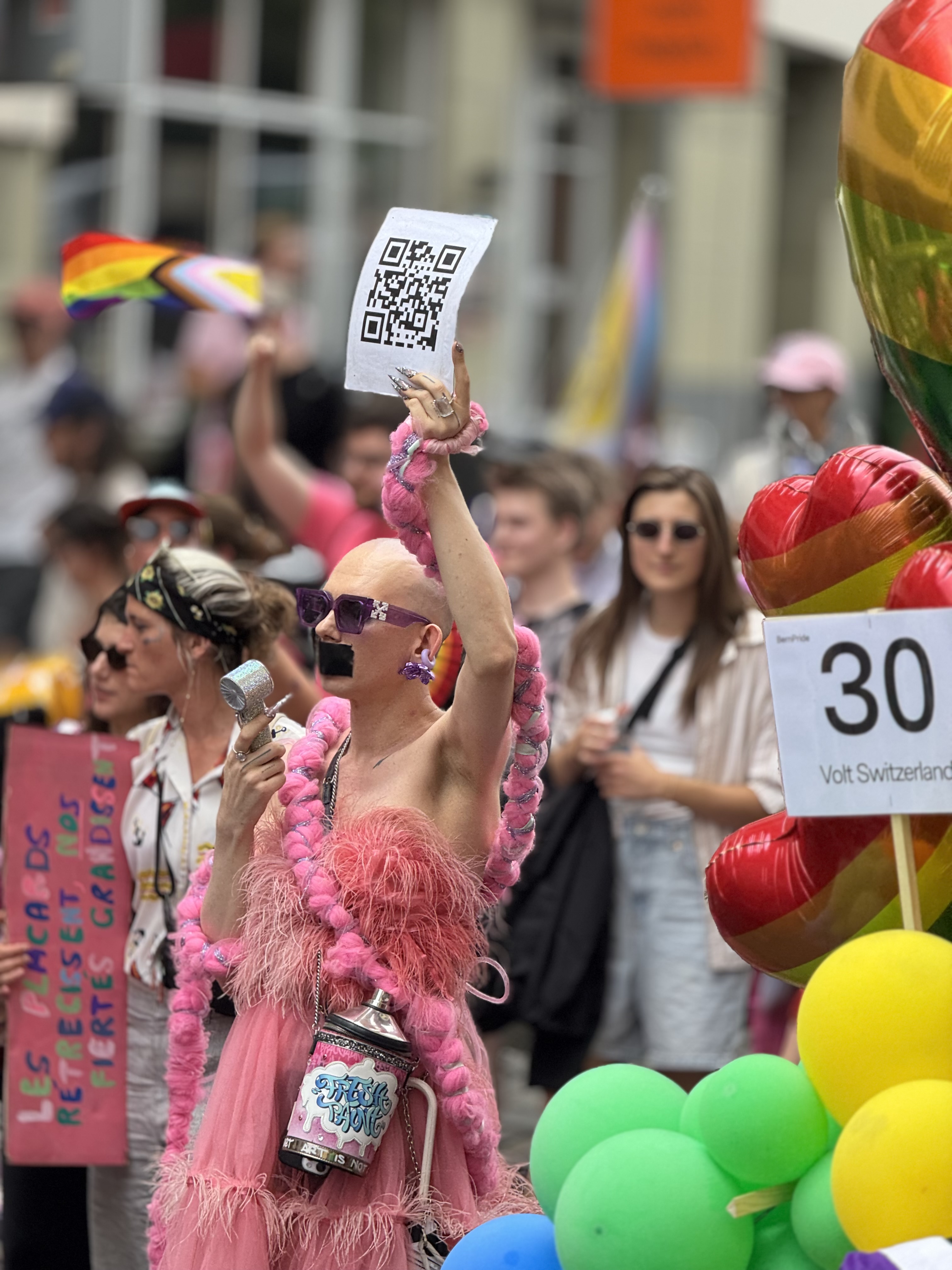
DYSMORPHOPHOBIA unfolds as an intimate diary between the protagonist and her reflection, tracing body dysmorphia, self-rejection and the gradual reconstruction of identity.
Photographs are physically torn apart and reassembled through paper animation, forming fragmented, hybrid bodies. Collage becomes a process of dismantling and rebuilding the image of the self.
The artist’s voice intertwines with external voices that question, diagnose and attempt to regulate the body, moving the work from fragmentation towards autonomy and self-acceptance.
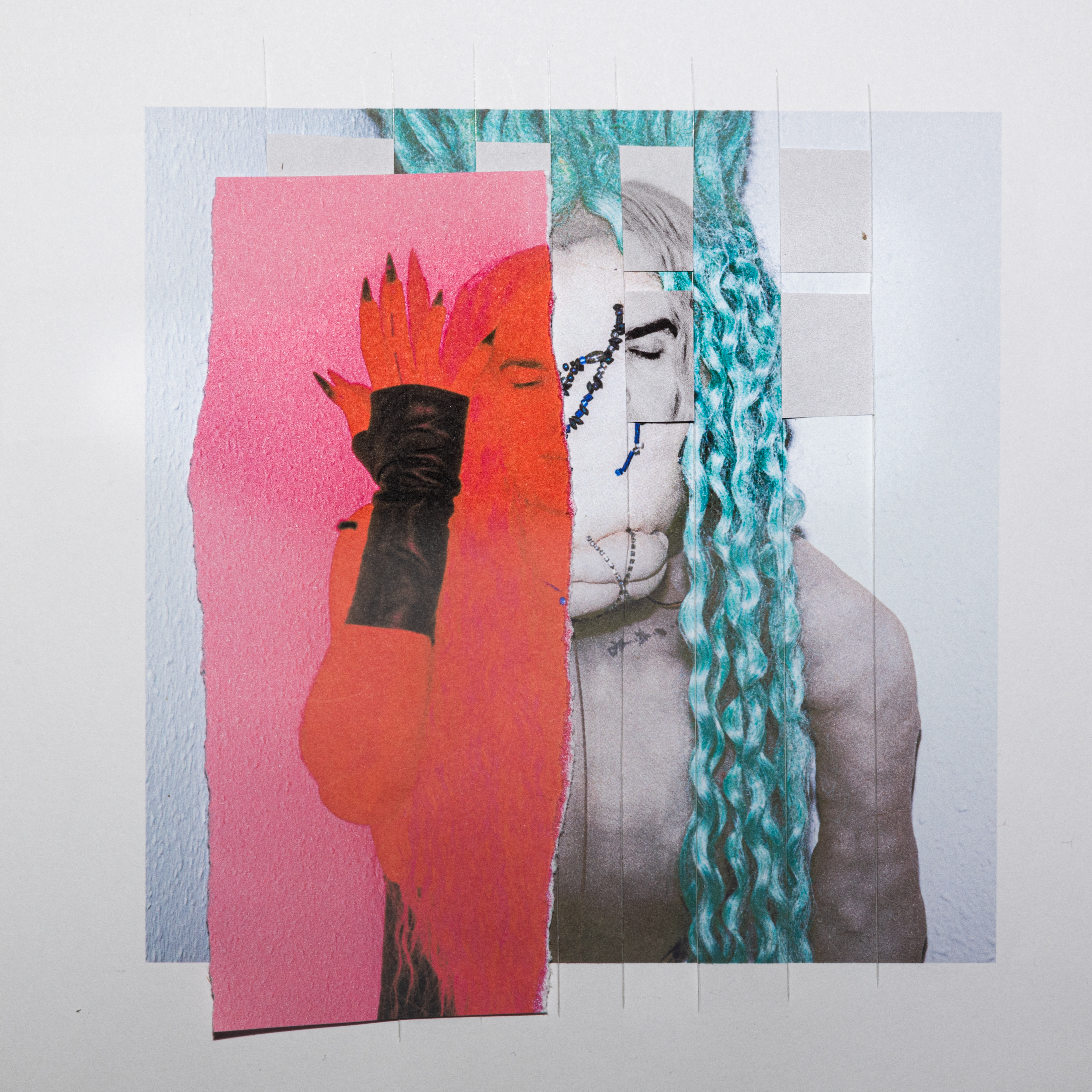
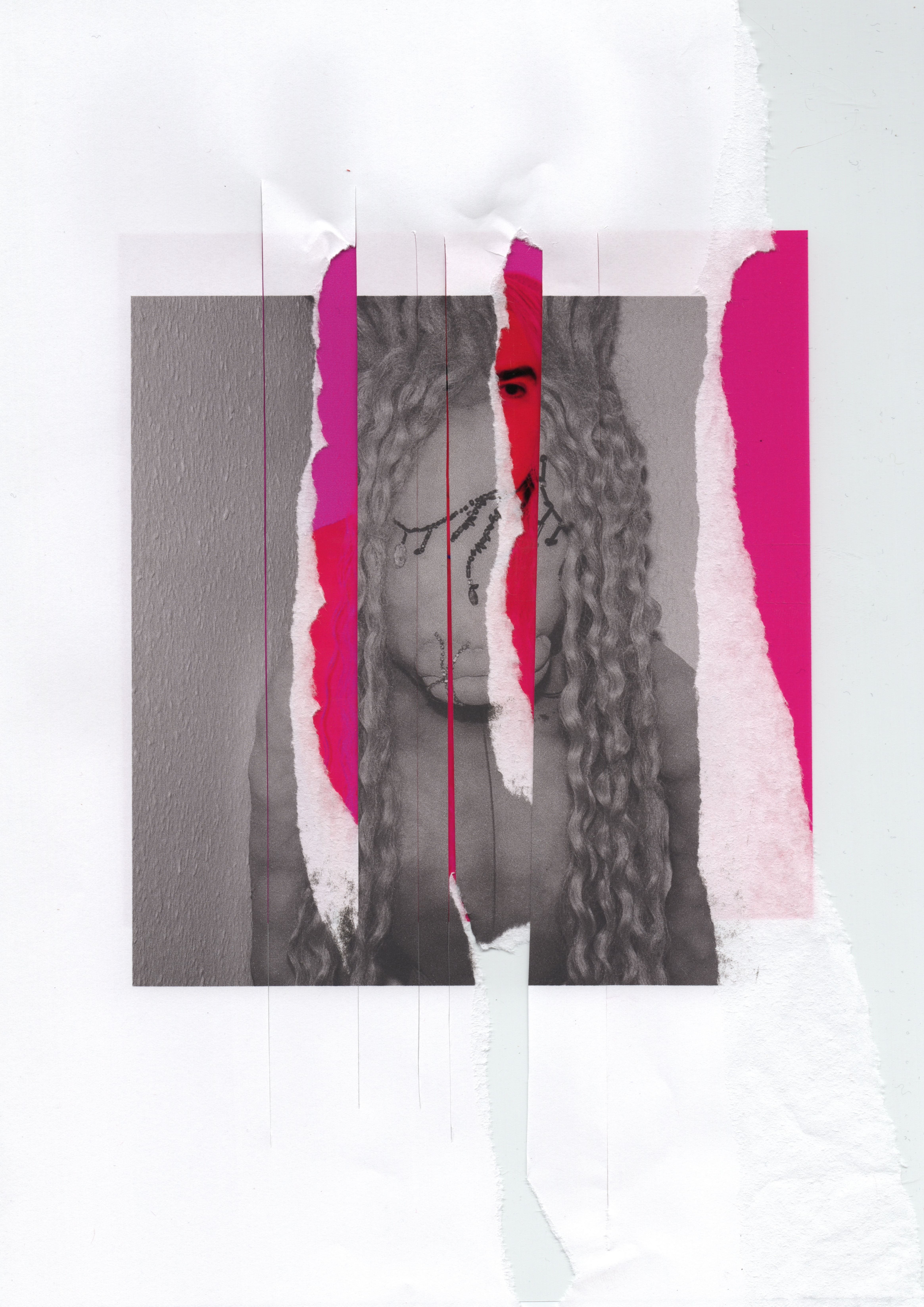
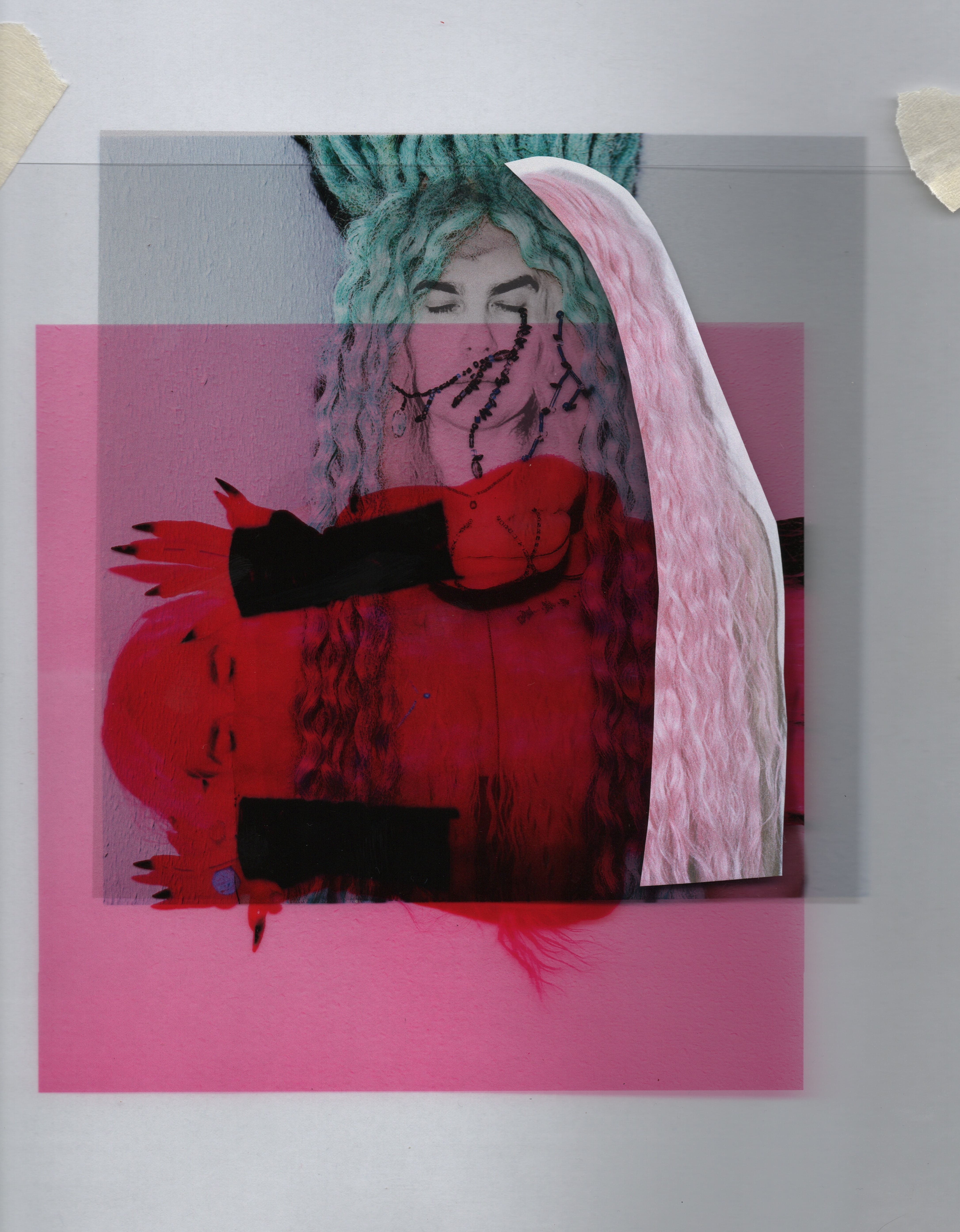
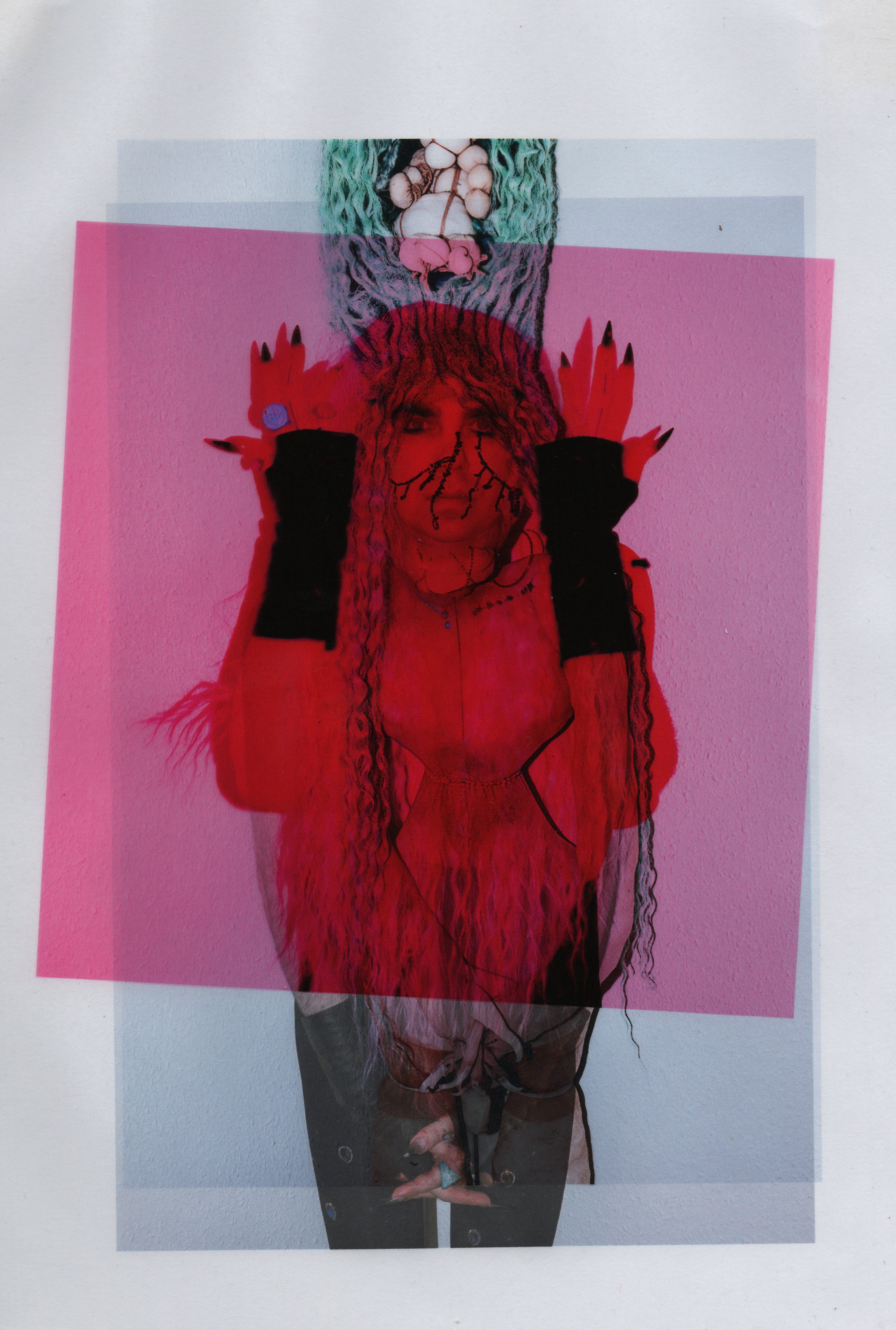
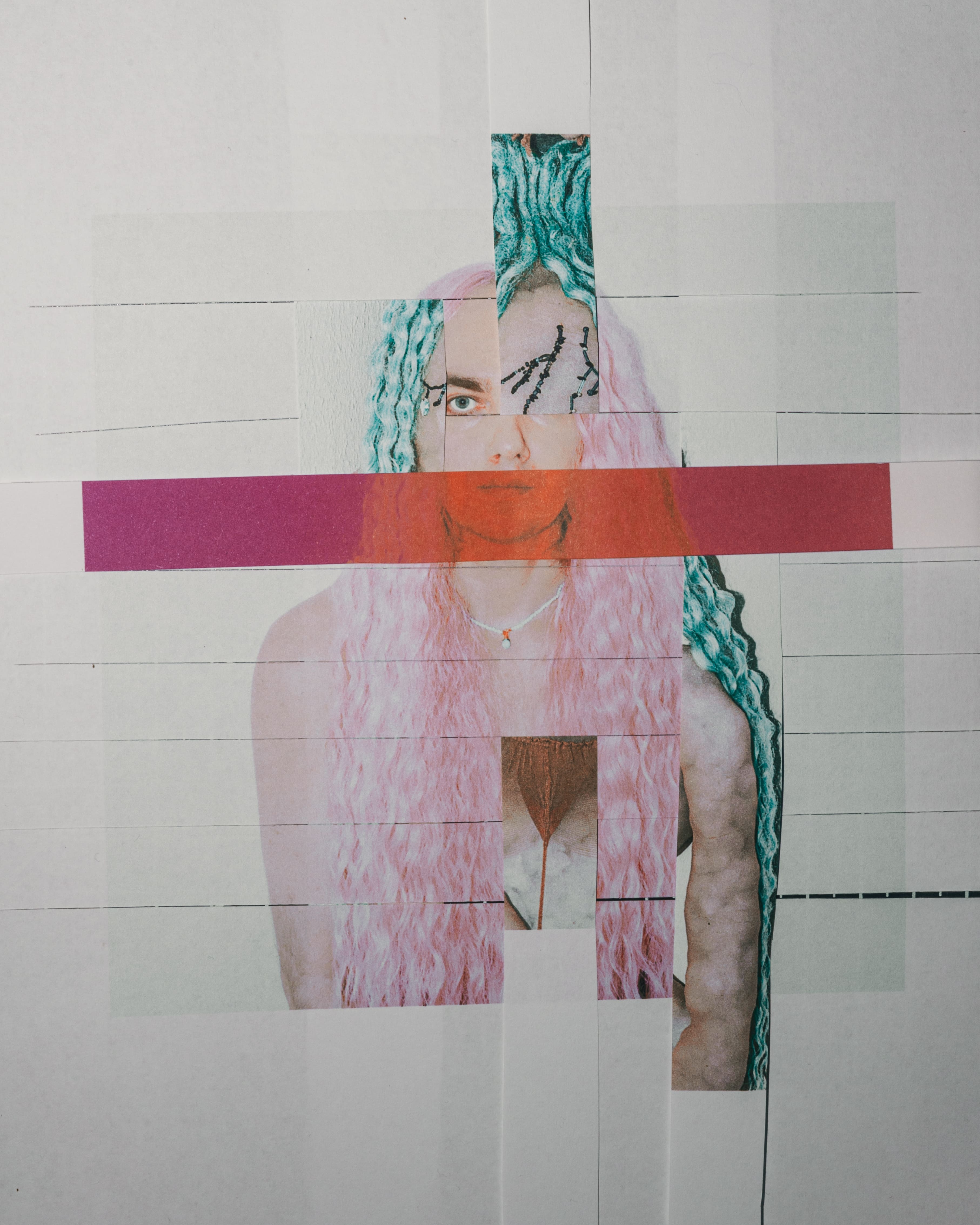
Collages created in collaboration with Anastasia Dutova
Selected collage exhibited at Pavilion of (Dis)Sense, Venice, 2026.
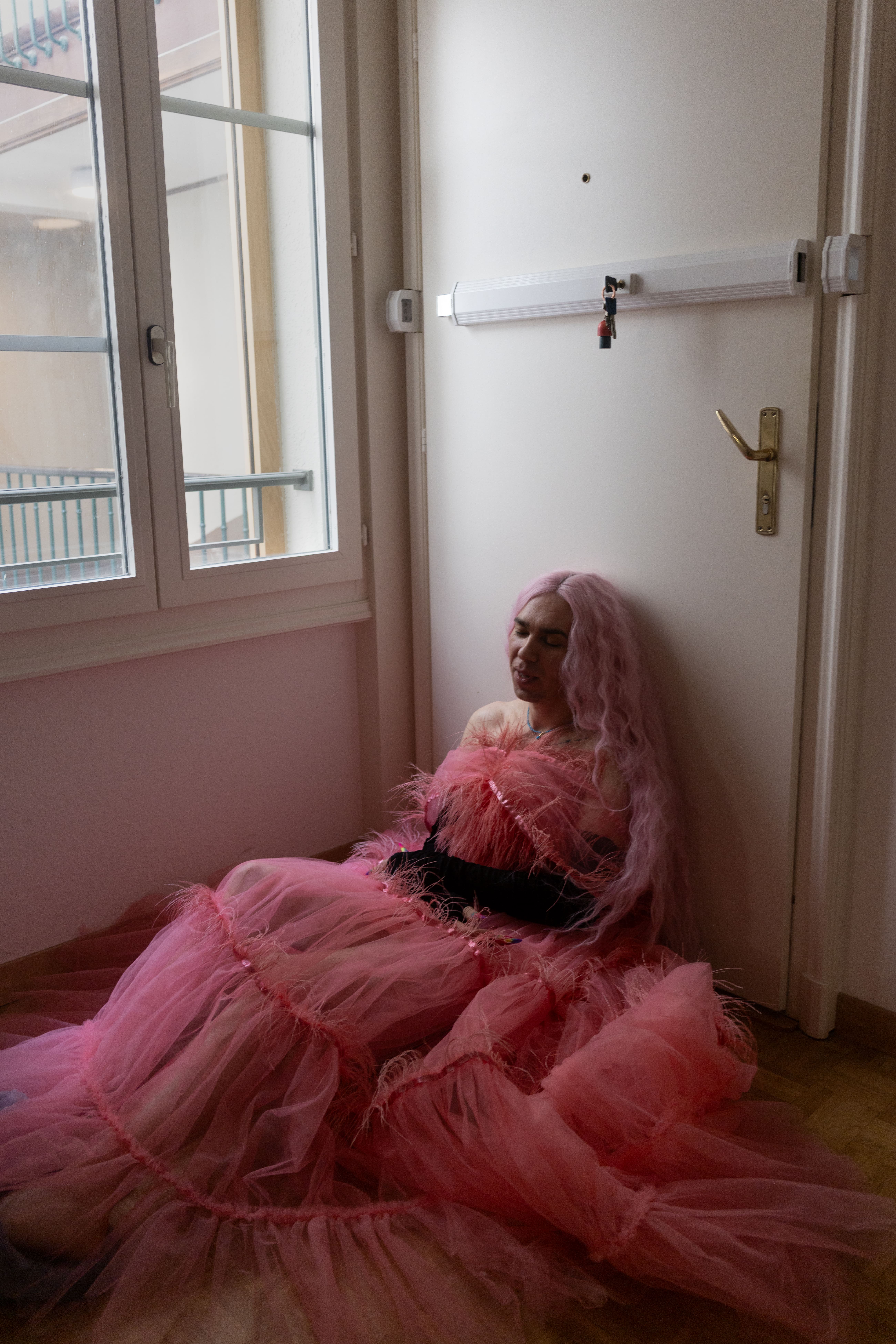
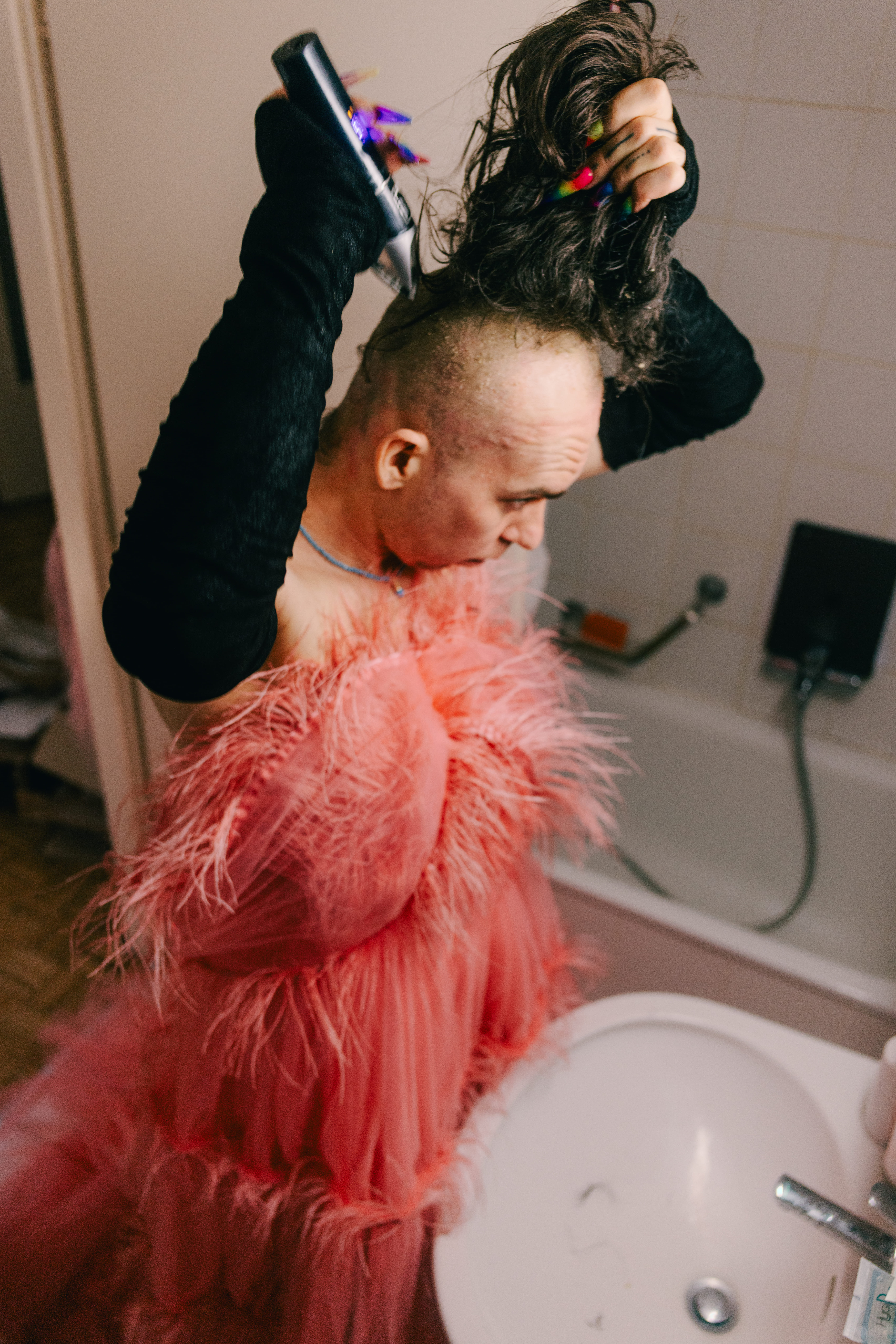
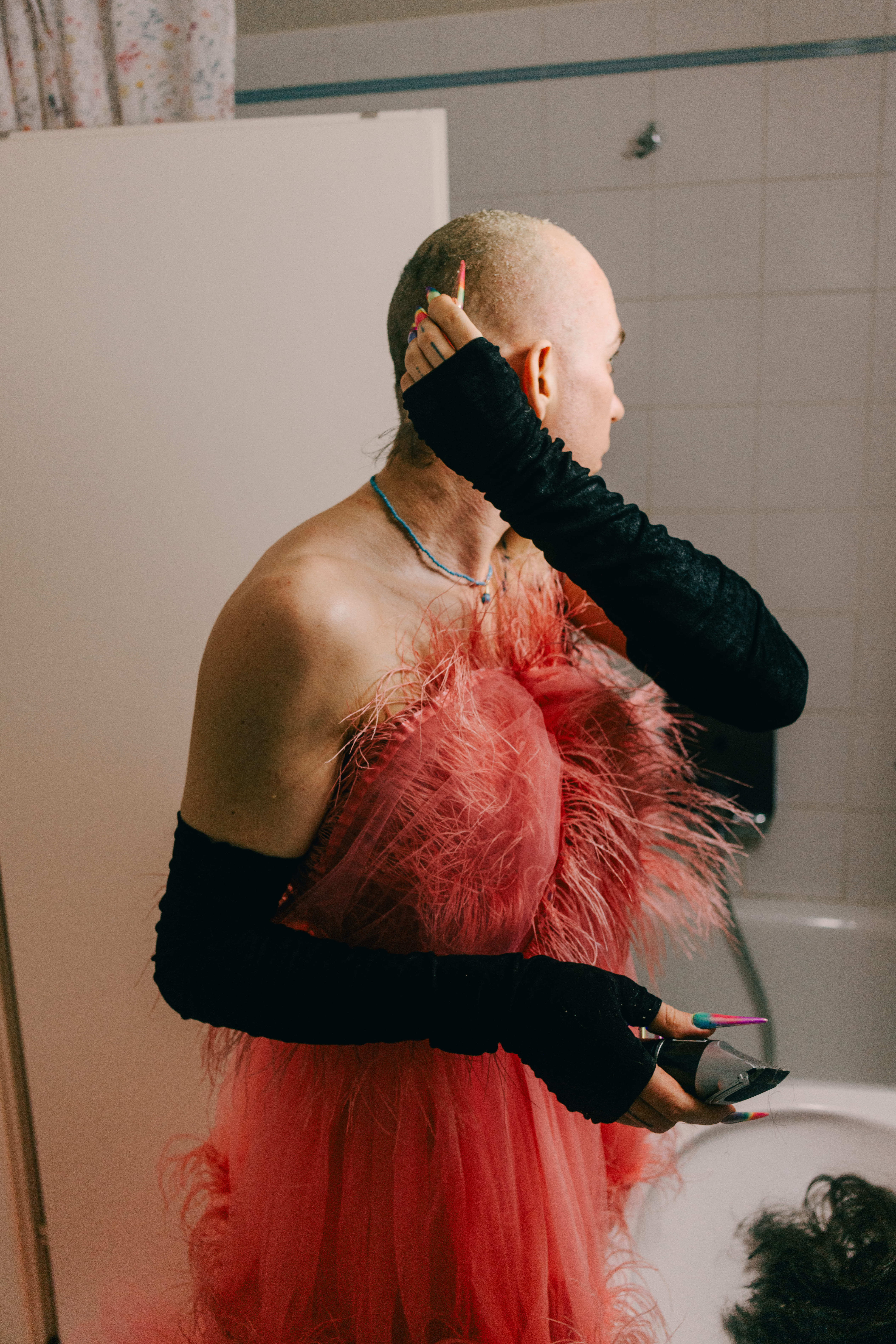
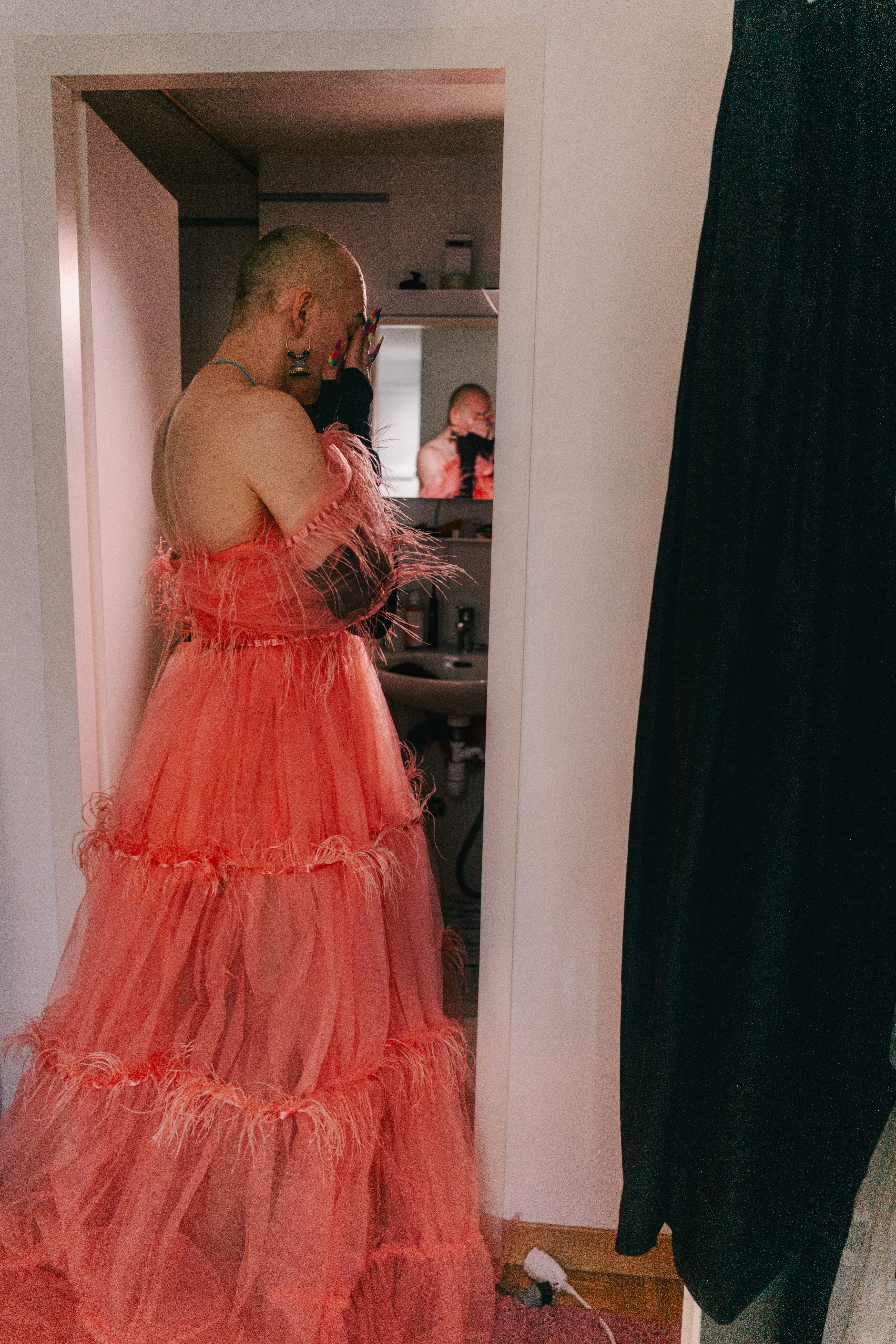
NOT WOMAN ENOUGH
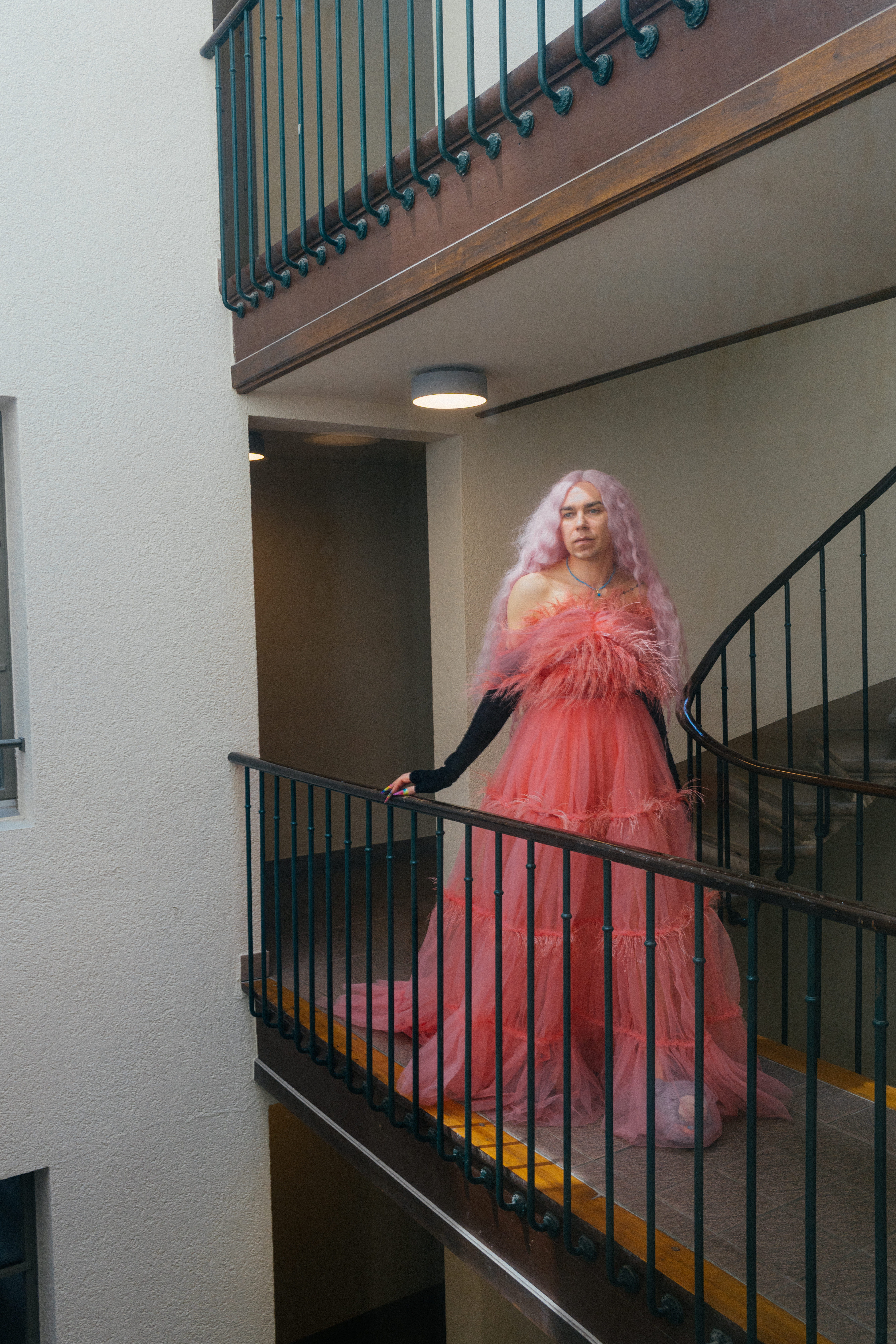
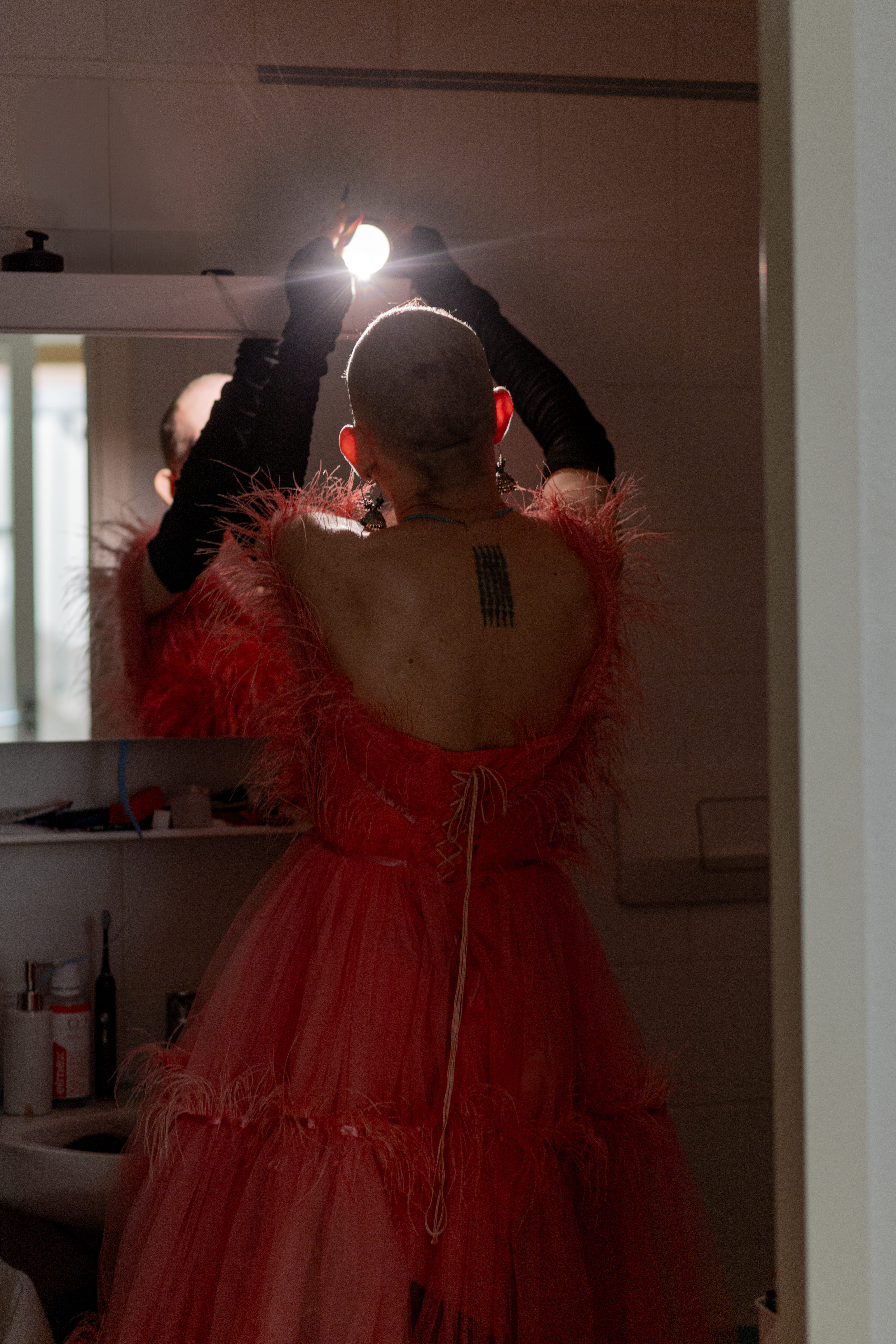
Not Woman Enough documents a ritual of release, transformation and self-acceptance.
Through the act of shaving the head, the body becomes a site of transition — shedding an imposed image of femininity and making space for another, defined on its own terms.
SAFE SPACE
SAFE SPACE emerged from my experience of living in a refugee camp, where privacy, safety and dignity had to be negotiated through the body.
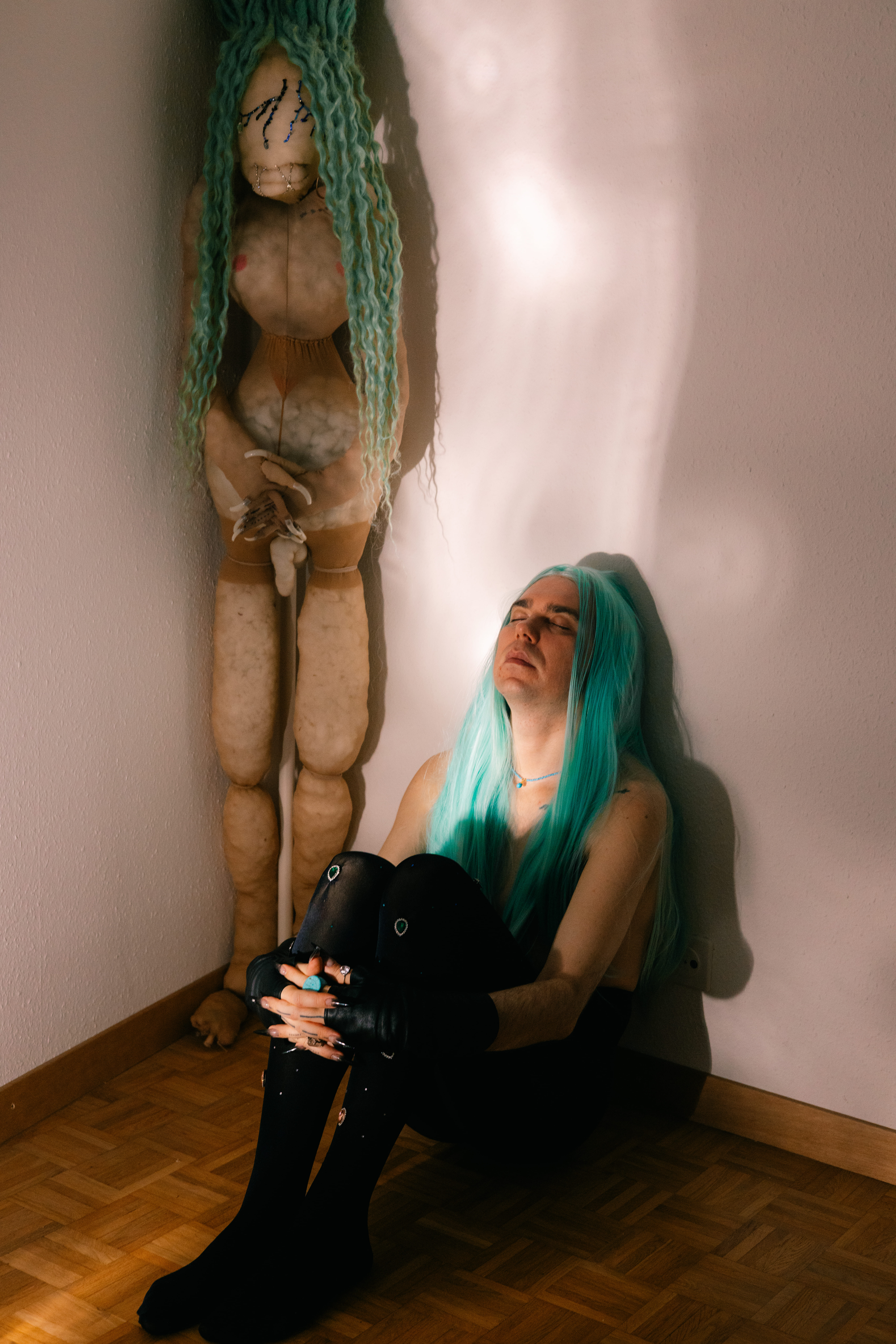
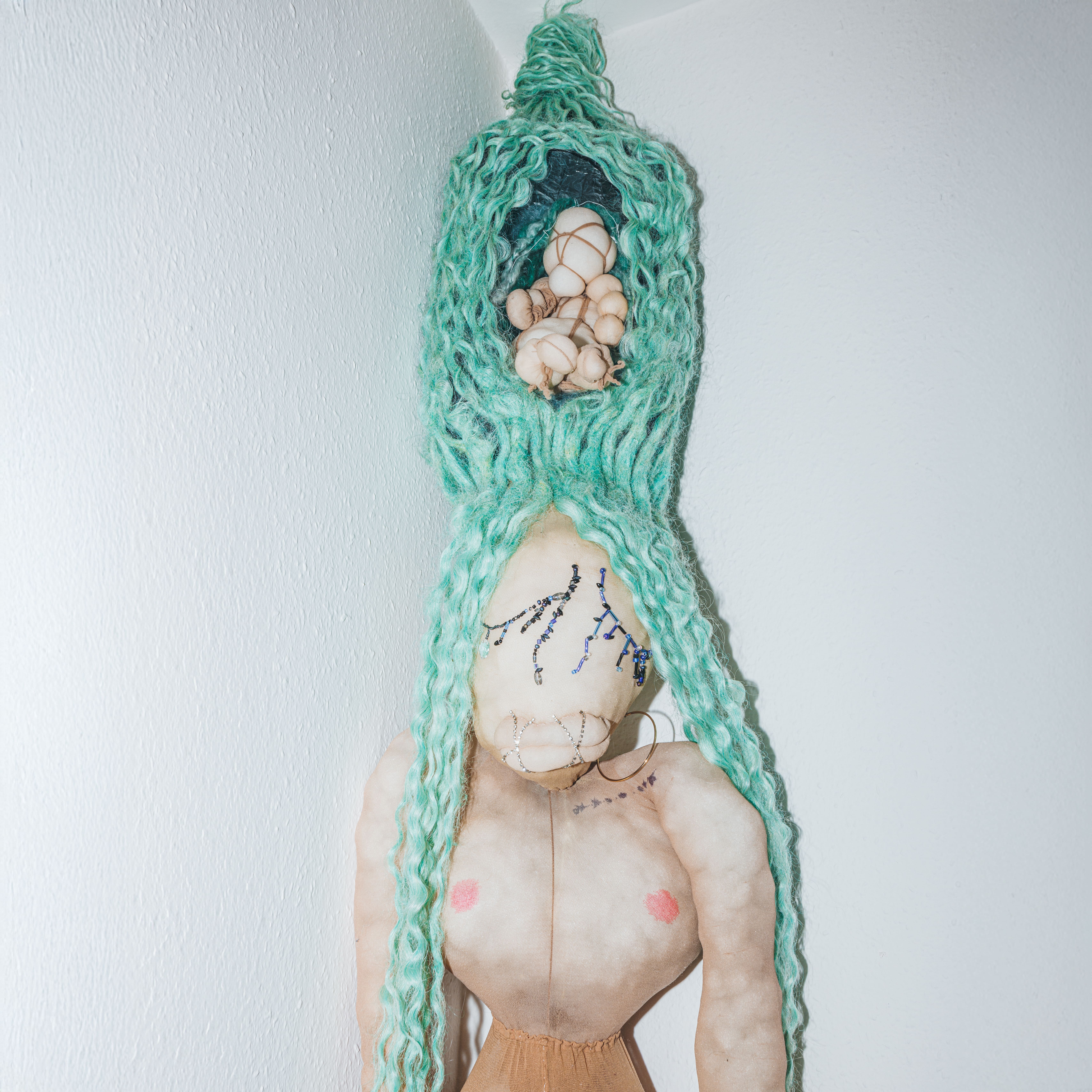
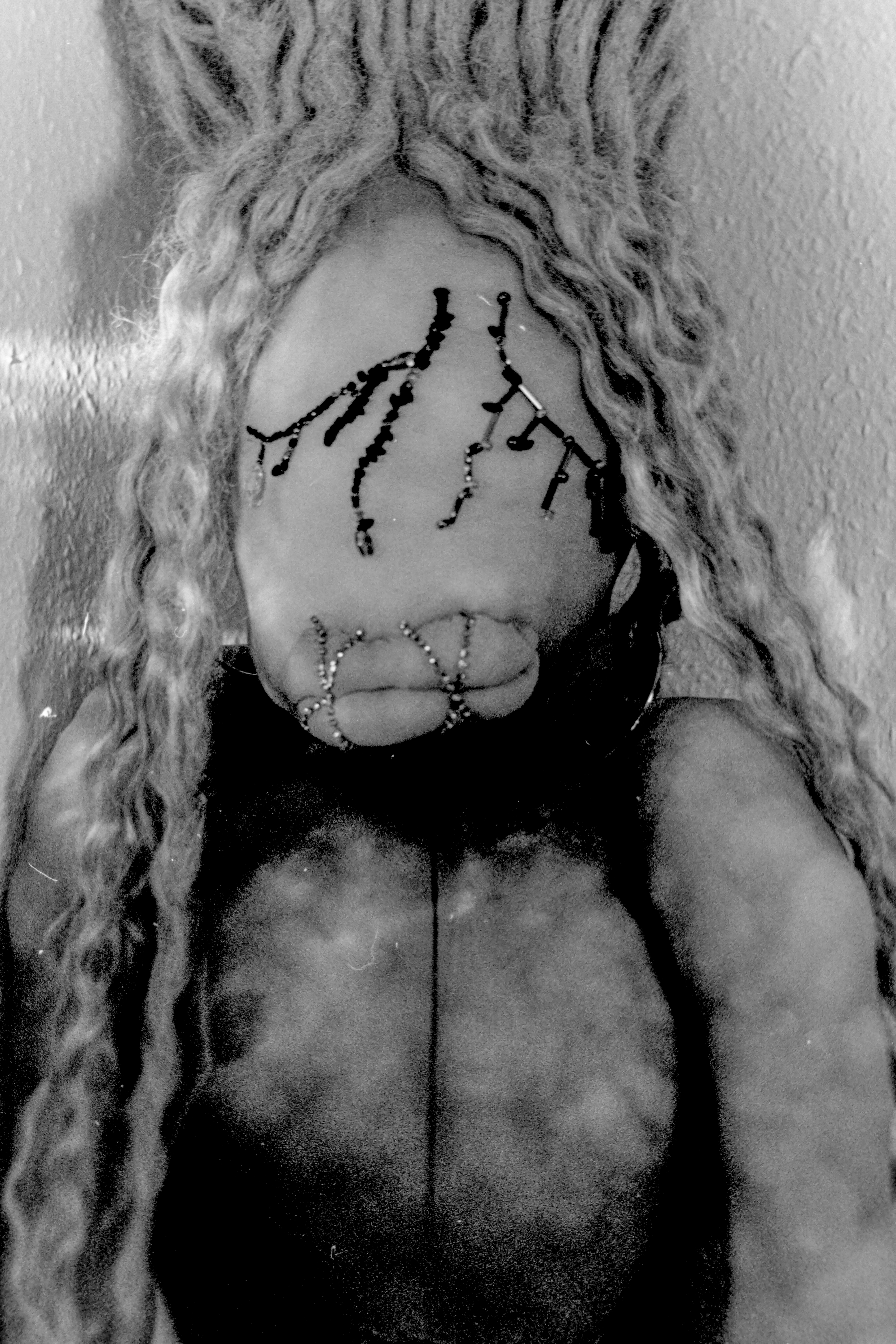
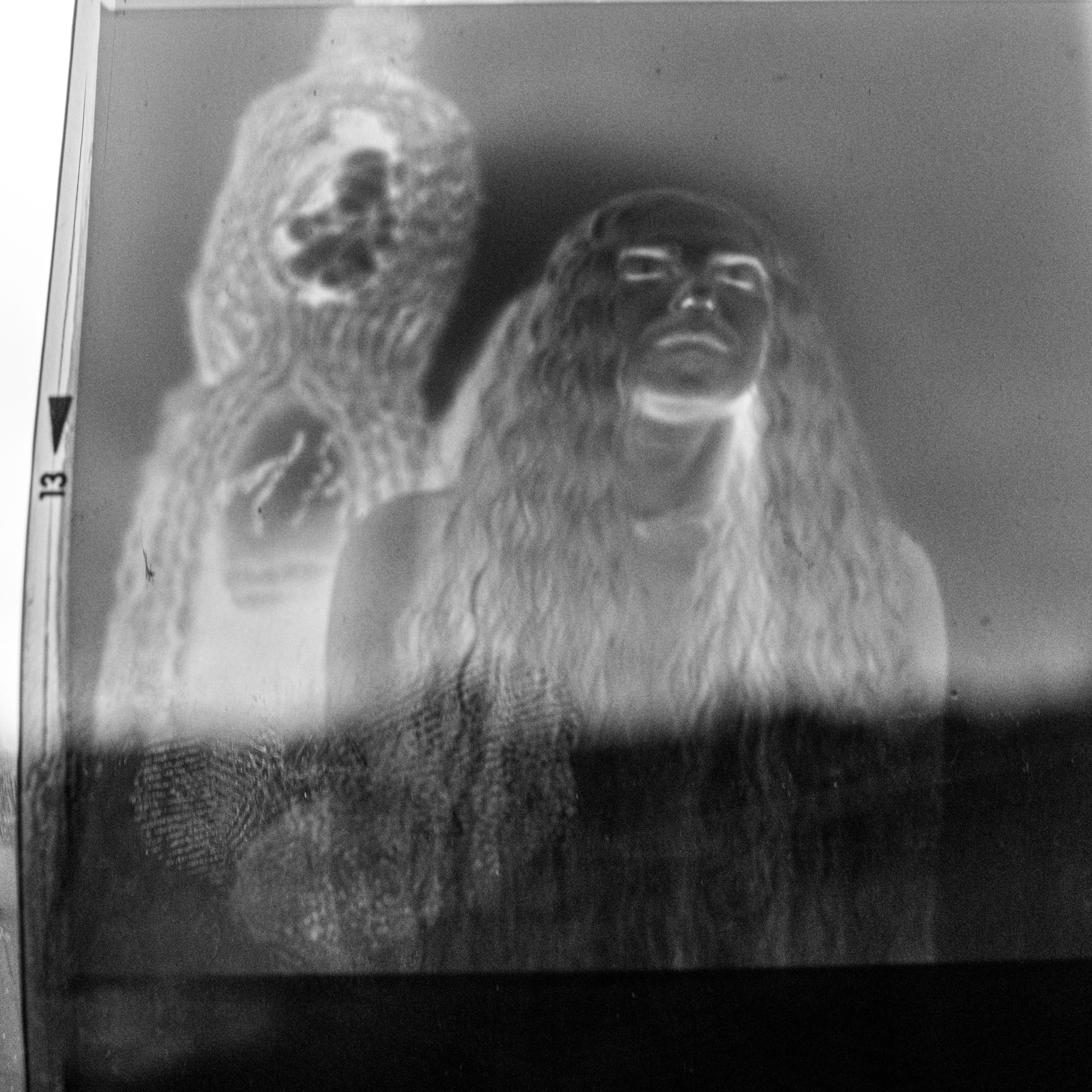
Two versions of the same body.
SAFE SPACE later entered the visual and ritual language of Fils d’identité, extending from object into performance.
FILS D’IDENTITÉ →
FAIRY TALE
FOR LGBTQ+
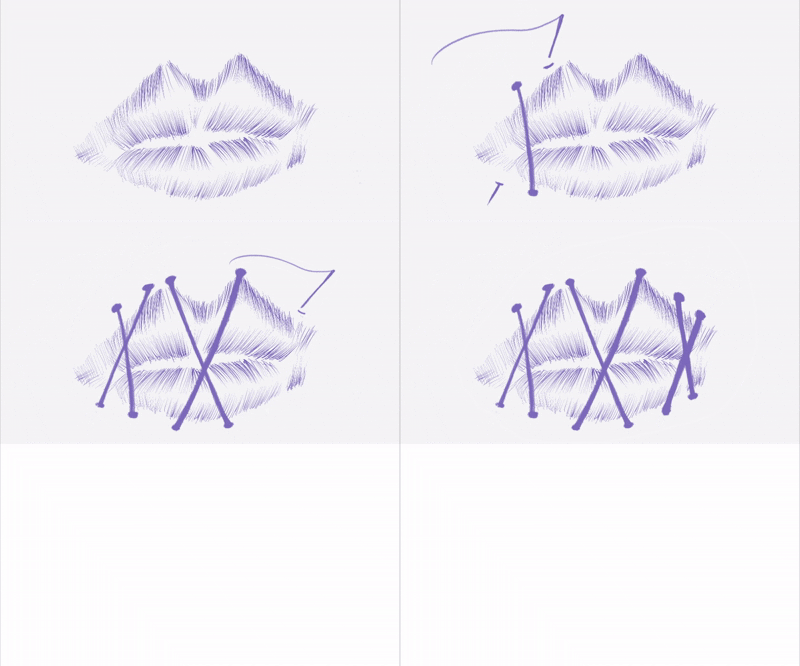
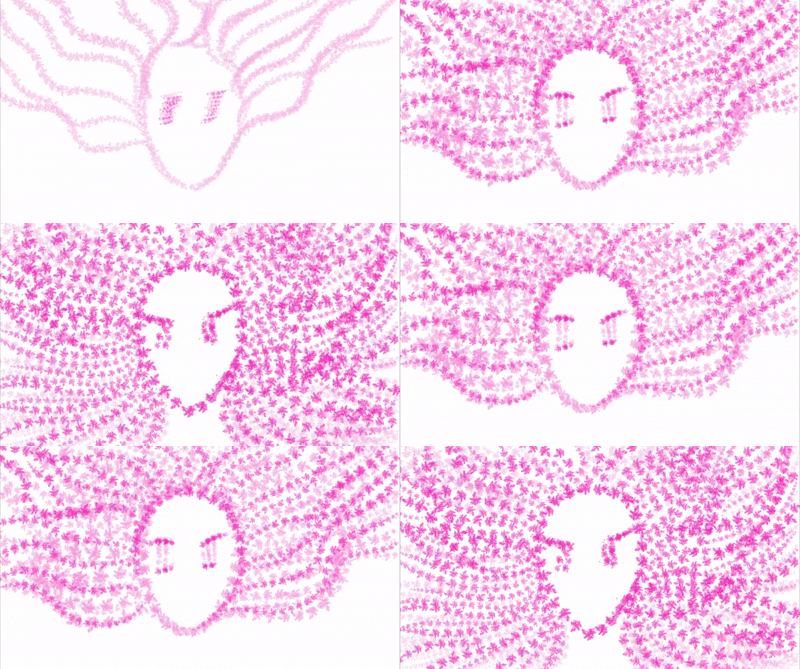
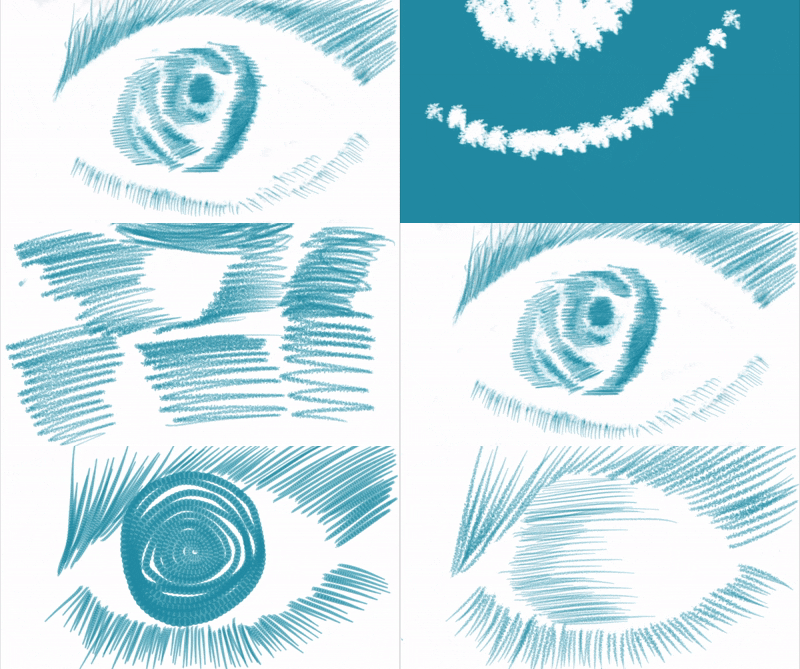
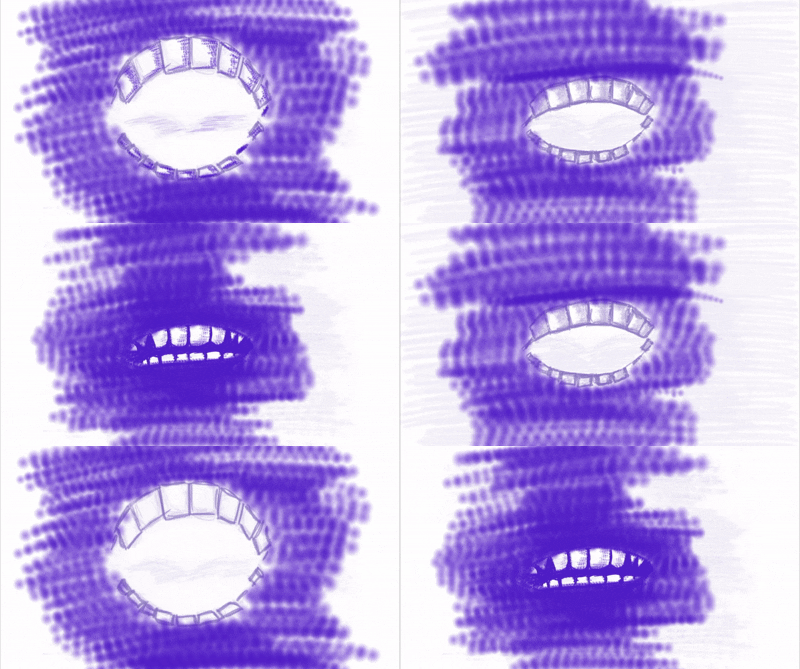
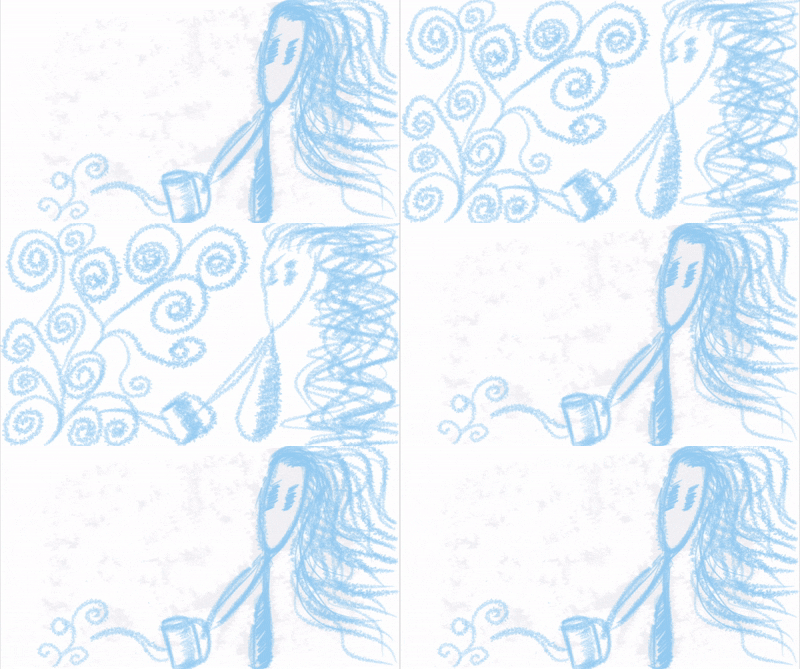
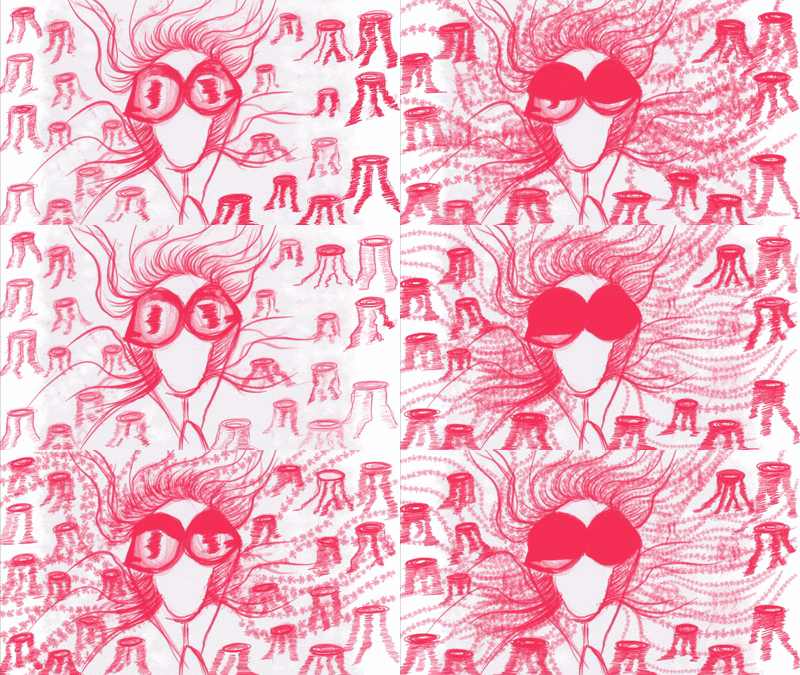
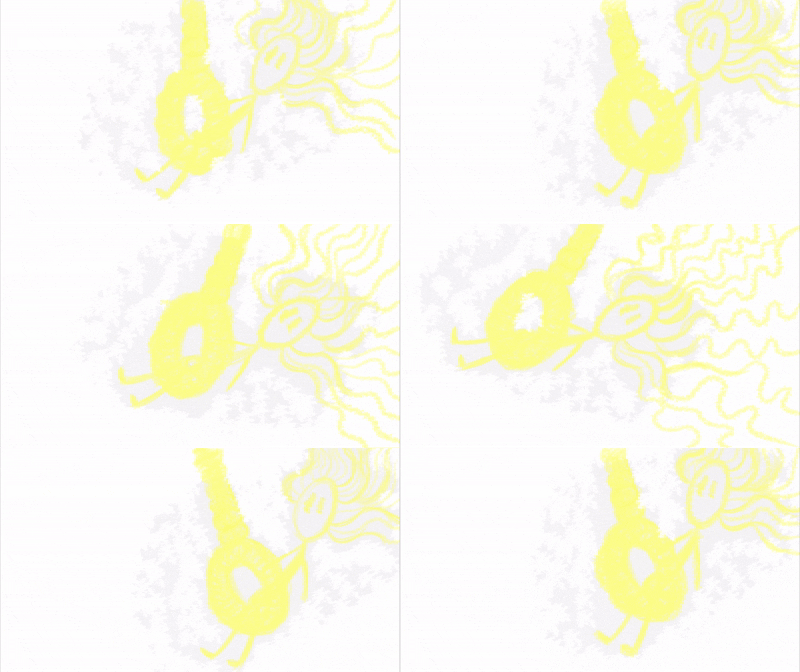
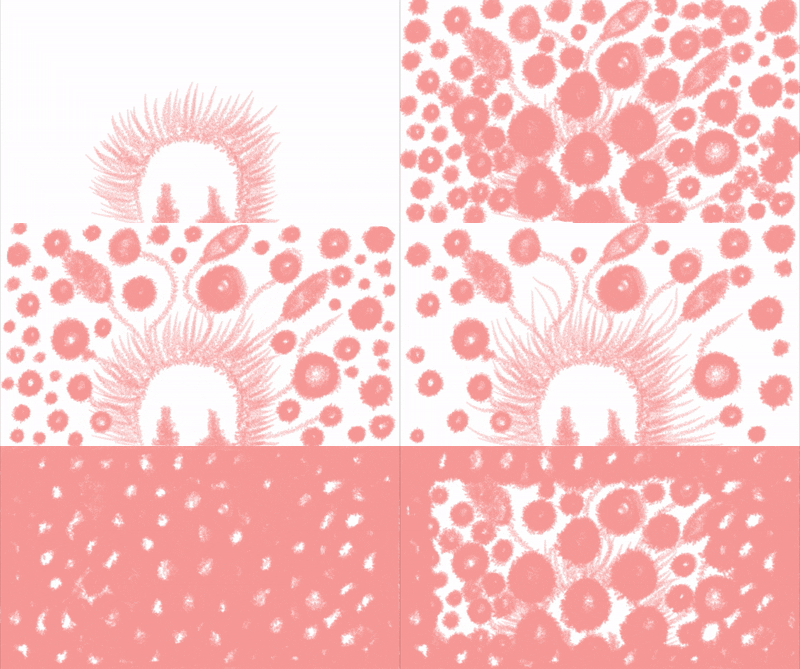
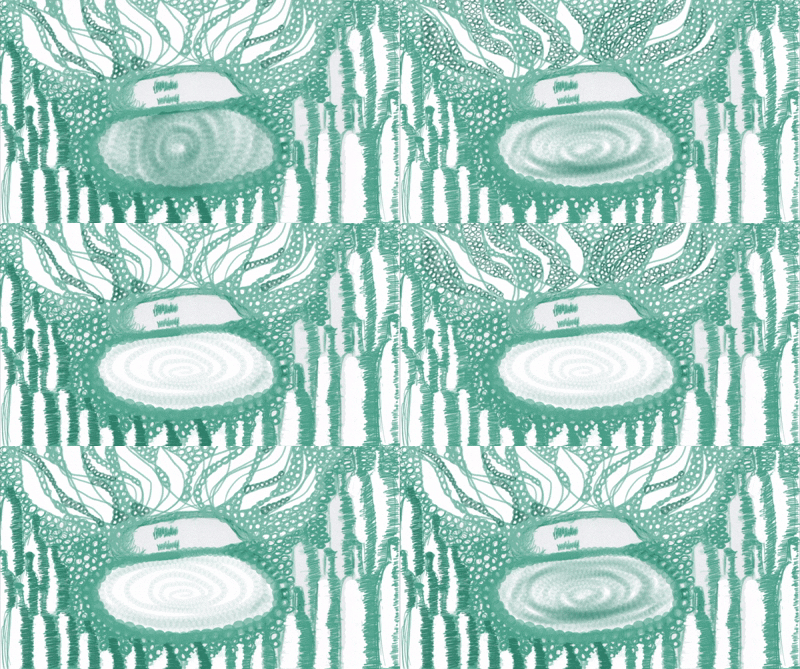
FAIRY TALE FOR LGBTQ+ is an audio narrative accompanied by a sequence of animated drawings.
The work uses the structure of a fairy tale to explore queer vulnerability, isolation, the desire to be seen and rescued, and the difficult movement towards survival.
Originally developed as an experimental animation, the work now exists as a sound piece surrounded by its moving visual fragments.
ANIMATED FRAGMENTS

ALL I HAVE LEFT…
in the air.
in the earth.
in me.”
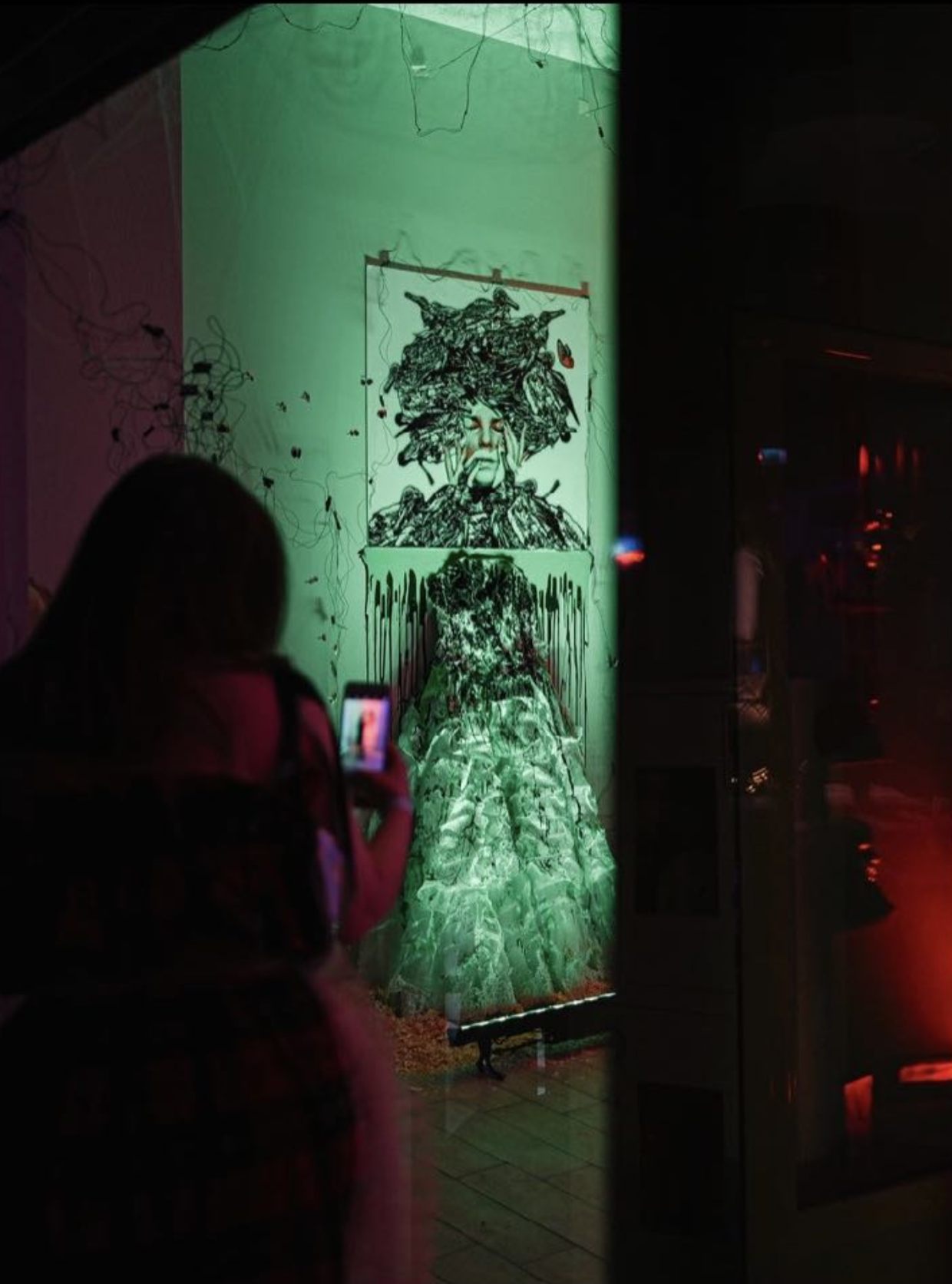
All I Have Left… is an immersive installation about loss and what remains after transformation.
Through image, sound, scent and tactile materials, beauty and decay coexist within the same space.
At its centre, a wedding dress is nailed to the wall as an act of protest against the 2020 constitutional amendments in Russia, which defined marriage exclusively as a union between a man and a woman.
PAIN
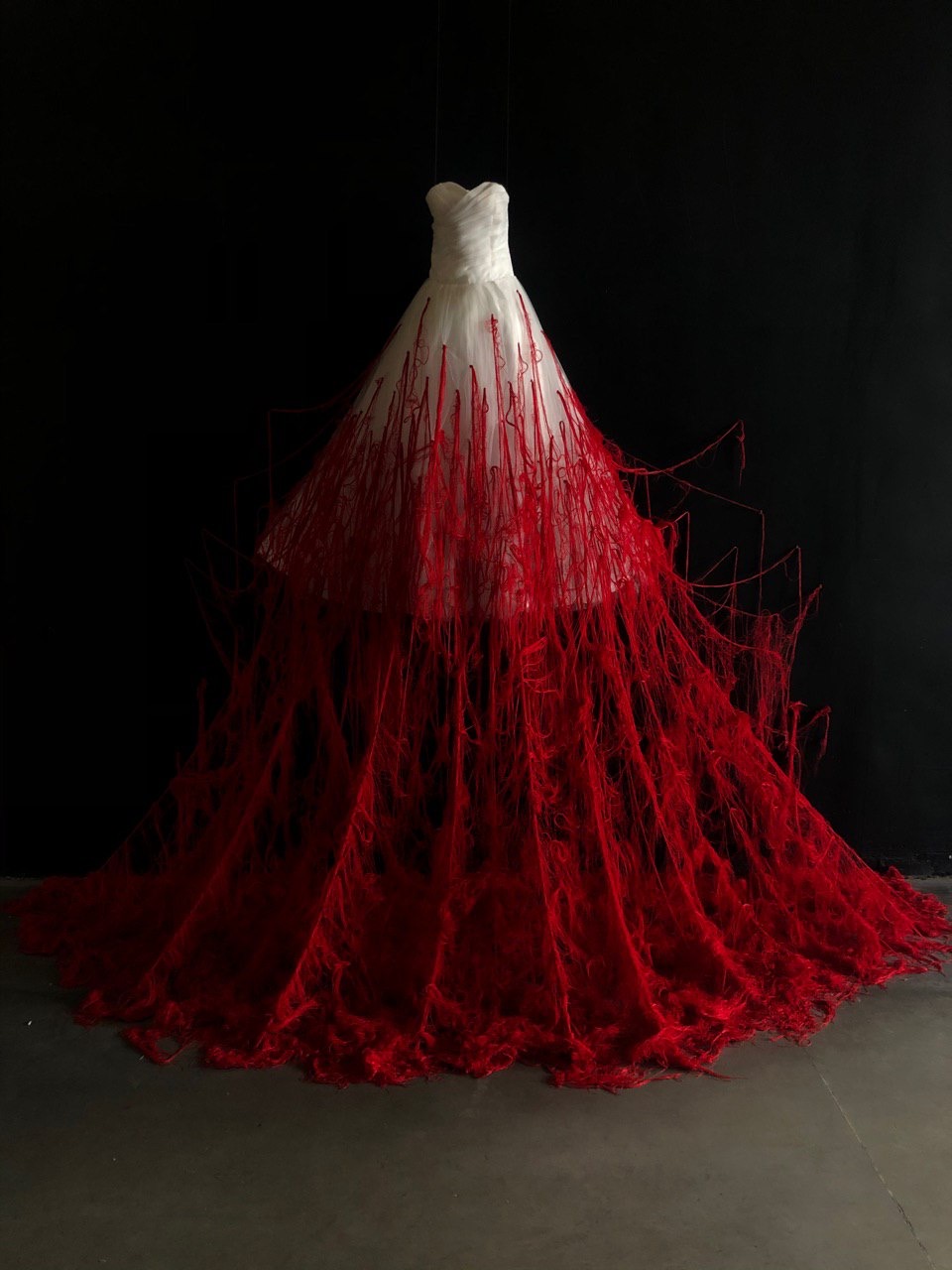
A white dress is transformed through an expanding structure of red thread, becoming a body, a wound and a spatial drawing.
The work explores pain as a force capable of altering the body, its boundaries and the space around it.